

Loading…

Your Cart

Your cart is empty

Shop Now
Nutrition

NUTRITION

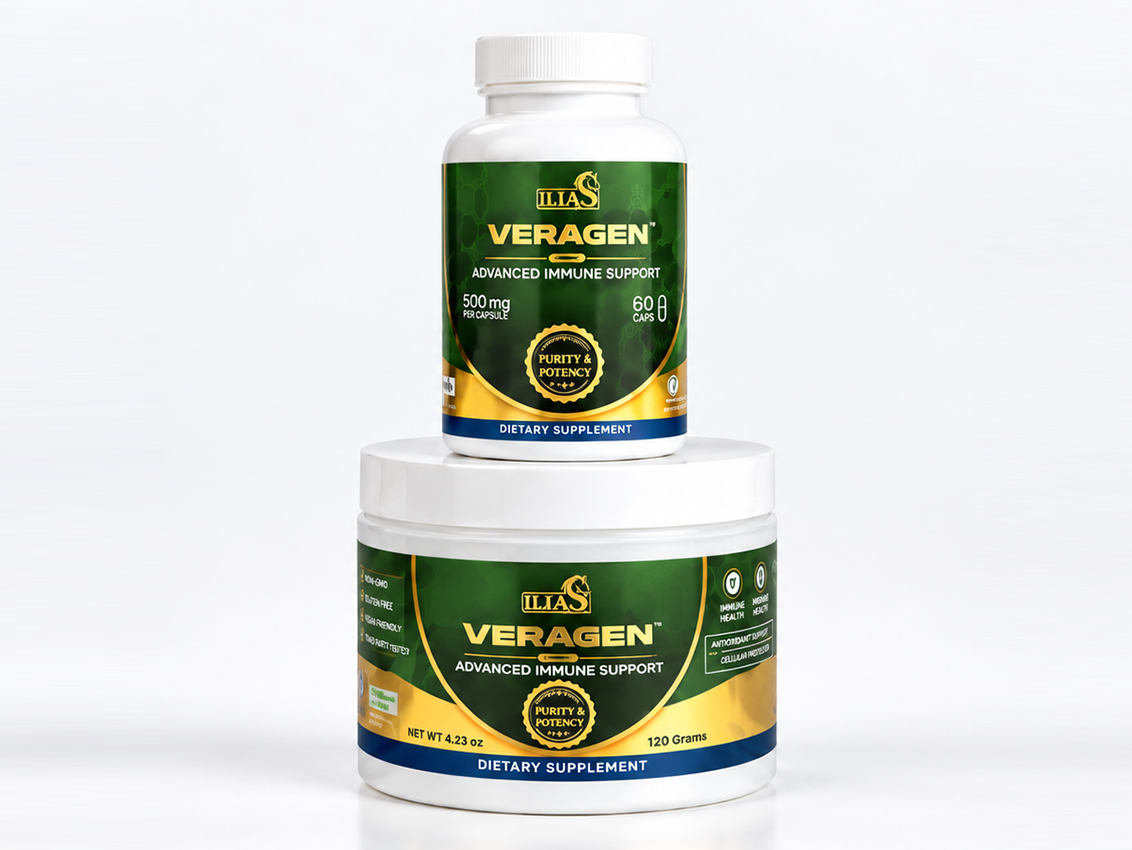
ILIAS GLOBAL has developed a range of vital nutrition supplements crucial for maintaining overall bodily health. Echoing the wisdom of Hippocrates, who advocated, “Let food be thy medicine and medicine be thy food,” we understand the significance of nourishing the body with essential nutrients found in various foods with healing properties. ILIAS GLOBAL meticulously formulates nutritional supplements and beverages using the finest quality ingredients, often personally visiting numerous ingredient factories to ensure the highest standards. Our commitment extends to incorporating the finest quality ingredients, demonstrating our unwavering dedication to excellence at every phase. ILIAS GLOBAL lauching among others important nutritions, present VERAGEN

SHOP →
Nutrition Nutrition

VERAGEN

The Hidden Science Inside Aloe Vera

For thousands of years, aloe vera has been valued by civilizations around the world as a remarkable botanical resource.

From ancient Egypt to traditional healing practices across Asia and other regions, aloe vera earned a reputation as a plant associated with health, skincare, and natural wellness.

But what makes this familiar plant so scientifically interesting?

The answer may lie, in part, in a complex molecule hidden within its inner leaf gel: Acemannan.

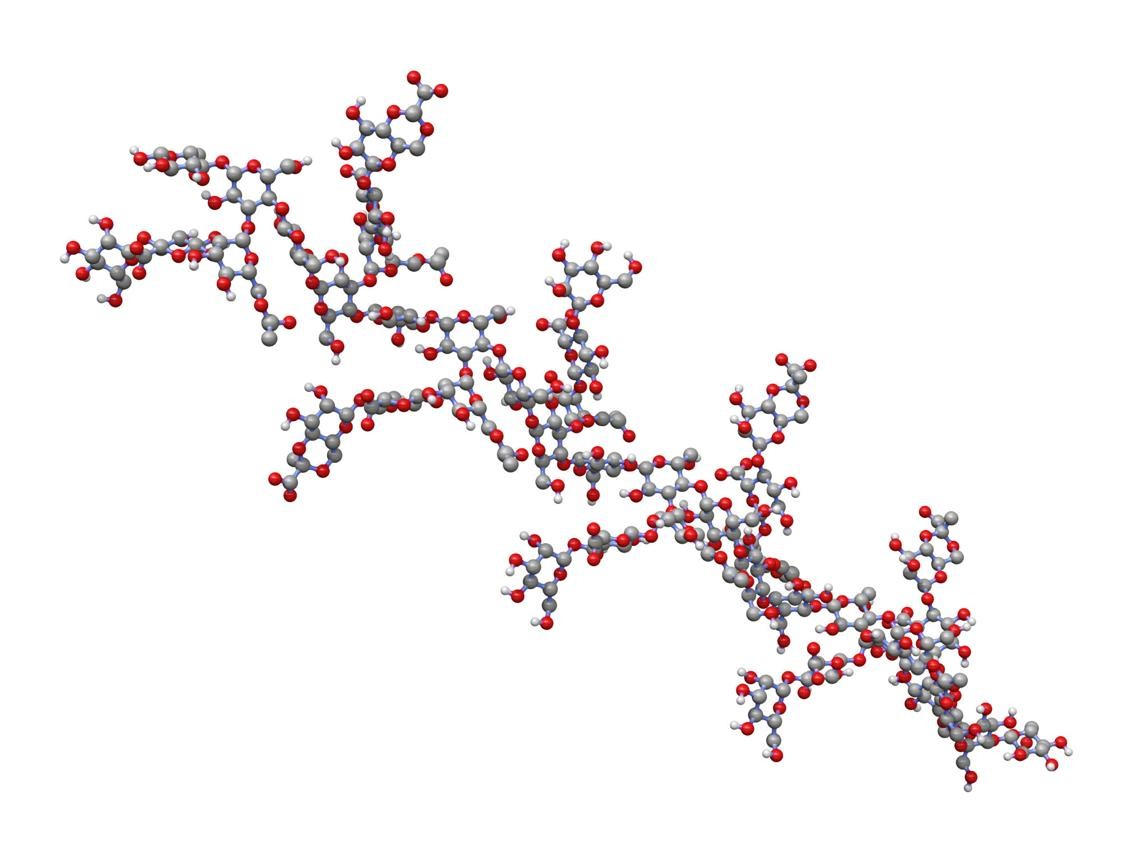
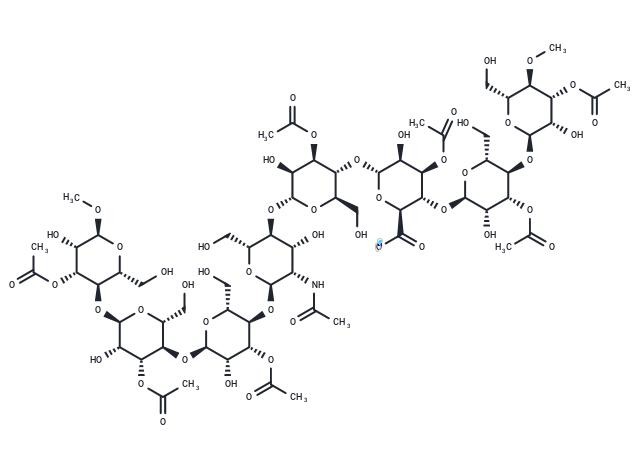
Acemannan is a naturally occurring, acetylated polysaccharide—a large carbohydrate molecule composed primarily of mannose sugar units.

Unlike ordinary dietary sugars, acemannan has a distinctive molecular structure that has attracted the attention of scientists studying biological communication, immune-cell activity, and interactions between natural compounds and the human body.


The Beginning of a Scientific Journey

During the development of modern aloe vera research, scientists began investigating the specific components responsible for the plant's biological activities.

Among these substances, acemannan emerged as a particularly interesting subject.

Researchers discovered that acemannan could interact with immune cells under experimental conditions, leading to investigations into macrophage activation, cytokine signaling, and other biological responses.

These discoveries helped transform acemannan from a relatively unfamiliar plant-derived carbohydrate into an important subject of laboratory and preclinical research.
A New Chapter in Natural Product Research

A New Chapter in Natural Product Research

Today, acemannan represents an intriguing intersection of botanical science, carbohydrate chemistry, and immunology.

Although many of its proposed health applications still require stronger human clinical evidence, the scientific study of acemannan continues to raise important questions about how naturally occurring polysaccharides interact with biological systems.

The Remarkable Journey from Aloe Vera to Modern Immunological Science

ACEMANNAN

Discovering the hidden molecular complexity of nature.

The Discovery of Acemannan

The history of acemannan begins with a plant that has accompanied human civilization for thousands of years: aloe vera.

Ancient civilizations used aloe preparations for skin care and traditional healing. Yet, for most of this history, people knew little about the complex chemistry contained within its thick, succulent leaves.

The arrival of modern analytical chemistry changed that.

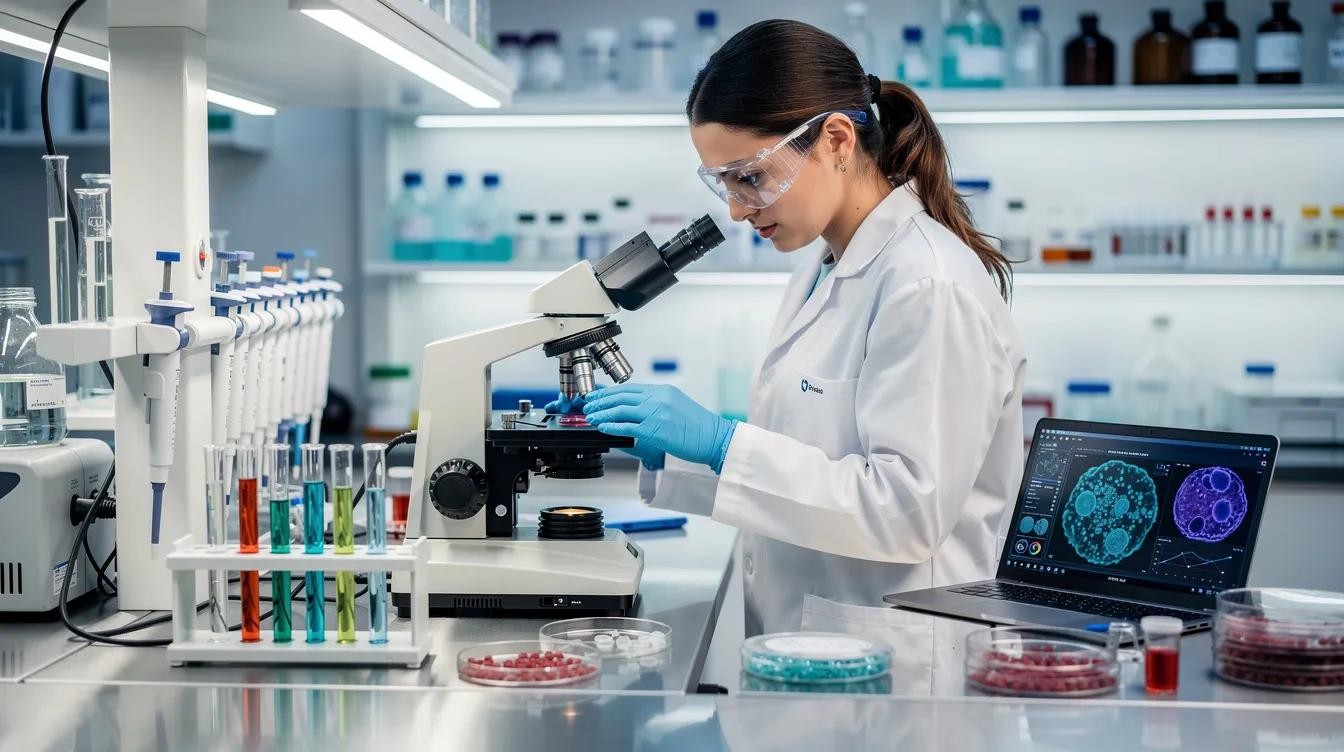
During the twentieth century, researchers began investigating the biological components of aloe vera, particularly the clear gel inside its leaves. They discovered that aloe gel was not simply water and plant fiber. It contained a complex mixture of carbohydrates, including long-chain polysaccharides.

One group of these molecules attracted particular attention because of its unusual chemical structure and biological properties.

This group included acemannan, an acetylated, mannose-rich polysaccharide.

Acemannan became a subject of increasing scientific interest as researchers investigated its possible interactions with immune cells and its role in the biological activities attributed to aloe vera.

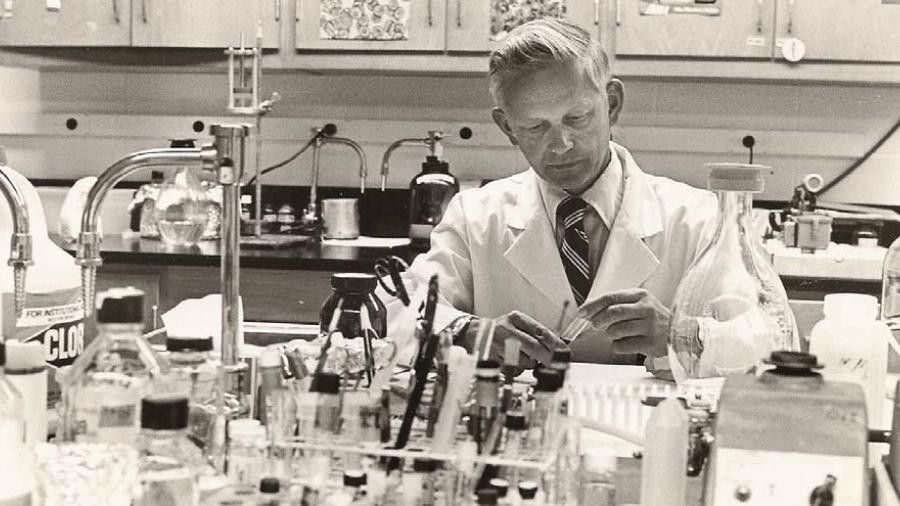
The research history also includes the work associated with Dr. Reginald McDaniel and other investigators who explored acemannan's biological properties and potential applications.

Their work helped expand interest in aloe-derived polysaccharides beyond traditional botanical uses and into modern experimental immunology.

The significance of this discovery was not that acemannan had been proven to cure disease. Rather, researchers had identified a natural molecule whose structure and experimental biological activity warranted serious scientific investigation.

That distinction marks the beginning of the modern acemannan story.

Understanding the Molecular Structure of Acemannan

To understand why acemannan is scientifically interesting, we must first understand its molecular structure.

Acemannan belongs to a family of complex carbohydrates known as polysaccharides.

A polysaccharide consists of many smaller sugar molecules chemically linked together to form long molecular chains.

In acemannan, these chains are composed primarily of mannose molecules joined through beta-1,4 glycosidic bonds. The molecule also contains acetyl groups attached to portions of the chain.

These acetyl groups are especially important because they can influence the molecule's three-dimensional structure, solubility, and biological interactions.

Unlike glucose, which is commonly used by the body for energy, acemannan is studied primarily for its properties as a complex biological polymer.

Its molecular weight, degree of acetylation, purity, and processing conditions can all affect its properties.

This means that not every aloe vera preparation contains the same amount or quality of acemannan.

Scientists have found that extraction and manufacturing methods can significantly change the characteristics of the final polysaccharide.

Therefore, understanding acemannan requires more than simply identifying aloe vera as its botanical source. It requires careful attention to the chemistry of the molecule itself.

This molecular complexity is one reason acemannan continues to interest researchers in biotechnology, biomaterials, and immunology.

Acemannan and the Human Immune System

The human immune system is an extraordinary biological defense network.

Every day, immune cells recognize and respond to microorganisms, damaged tissues, and countless molecular signals.

Among these cells, macrophages play an especially important role.

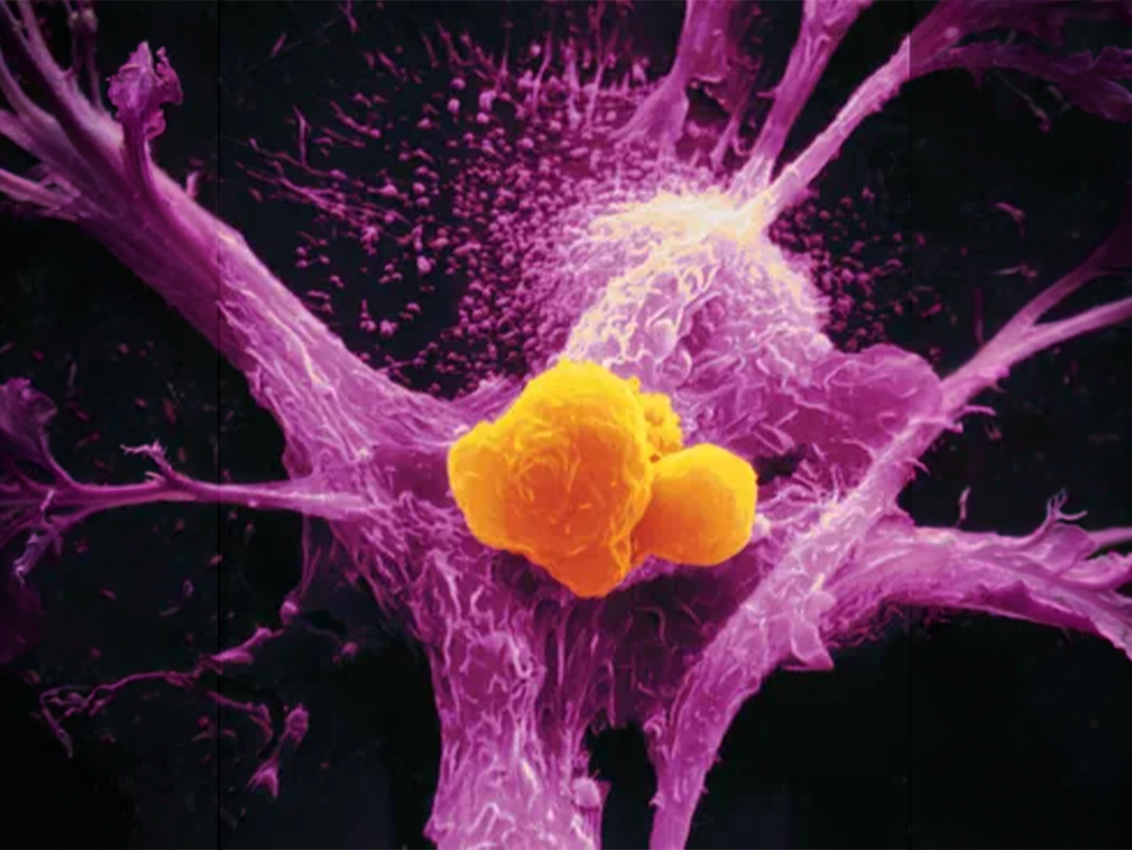
Macrophages are specialized immune cells that engulf foreign particles, help remove cellular debris, and communicate with other immune cells through signaling molecules.

These signaling molecules include substances known as cytokines.

During laboratory investigations, scientists observed that certain acemannan preparations could influence macrophage activity and the production of immune-related signaling molecules.

These findings attracted considerable attention because they suggested that acemannan could interact with biological pathways involved in immune regulation.

The scientific term for this phenomenon is immunomodulation.

Immunomodulation refers to the alteration or regulation of immune activity. It does not necessarily mean that the immune system becomes stronger in every circumstance.

A healthy immune system requires balance, coordination, and appropriate responses.

Experimental research involving acemannan has explored macrophage activation, interleukin production, and interactions with other immune-related cells.

However, most of these mechanistic findings come from cell cultures and animal experiments. They do not establish that taking oral acemannan supplements improves immune function or prevents infections in humans.

Nevertheless, these investigations provide an important foundation for understanding why acemannan has become a subject of immunological research.

Scientific Research

As scientific interest in acemannan expanded, researchers began investigating its potential applications in several areas of medicine and biotechnology.

One important field has been tissue repair and wound healing.

Laboratory studies have examined how acemannan interacts with fibroblasts, cells involved in the production of collagen and the structural framework of connective tissues.

Other experiments have investigated its effects on cellular proliferation, growth factors, and signaling pathways associated with tissue regeneration.

Acemannan has also attracted attention in dental research, particularly for oral wound healing and potential applications in regenerative dentistry.

Some clinical studies involving topical acemannan formulations have reported encouraging findings.

For example, research summarized in a 2019 scientific review described investigations involving oral ulcers, tissue healing, and bone regeneration.

However, clinical findings have not been uniformly positive. A randomized study of an acemannan-containing hydrogel for pressure ulcers found that it was not superior to a saline dressing.

Researchers have also explored acemannan in experimental models related to immune signaling, viral responses, and tumor biology.

These investigations are scientifically interesting, but they should not be interpreted as proof that acemannan can treat cancer, viral infections, or other serious diseases in humans.

The distinction between experimental results and established clinical benefits is essential.

Today, acemannan remains an active subject of scientific investigation, with potential applications extending from biomaterials and dentistry to the broader study of naturally derived polysaccharides.

The Pioneering Research and Scientific Legacy

The development of acemannan research is also a story of scientific persistence and the efforts of researchers who believed that the complex chemistry of aloe vera deserved closer examination.

During the 1980s and early 1990s, Carrington Laboratories in Texas conducted important investigations into aloe-derived polysaccharides.

The company developed methods of identifying and isolating an acetylated mannan fraction from aloe vera gel, which became associated with the name acemannan.

This research resulted in patents describing its composition and proposed biological applications.

One significant milestone was U.S. Patent No. 5,106,616, titled Administration of Acemannan, granted on April 21, 1992.

The patent identified Bill H. McAnalley, Robert H. Carpenter, and Harley R. McDaniel as inventors.

It described experimental findings involving acemannan and immune-cell signaling, including the production of interleukin-1 and prostaglandin E2.

These developments contributed to the growing scientific interest in acemannan and helped establish a foundation for subsequent investigations into its biological properties.

The broader legacy of these pioneering efforts lies in demonstrating the importance of isolating, characterizing, and studying individual components of traditional botanical materials.

Rather than viewing aloe vera as a single undifferentiated substance, researchers began examining specific molecules and their biological behavior.

This transition—from traditional plant use to molecular investigation—represents a defining chapter in the scientific history of acemannan.

VERAGEN by Iliasglobal — Bringing Scientific Inspiration to Modern Wellness

The scientific journey of acemannan—from the aloe vera plant to modern biochemical and immunological research—provides the inspiration behind VERAGEN by Iliasglobal.

At Iliasglobal, we believe that nature offers a remarkable diversity of molecules worthy of scientific investigation.

Acemannan is one such molecule.

Its distinctive carbohydrate structure, the importance of its acetyl groups, and its interactions with biological systems have made it a subject of scientific interest for decades.

The development of VERAGEN reflects our interest in bringing together botanical knowledge, scientific research, and responsible product development.

Our approach emphasizes understanding the ingredient, recognizing the importance of manufacturing quality, and communicating scientific findings accurately.

The study of acemannan also reminds us that scientific progress is a continuing journey.

Laboratory discoveries generate new questions. Animal studies help researchers explore biological mechanisms. Carefully designed human clinical trials are then necessary to establish whether those findings translate into meaningful health benefits.

This commitment to evidence is essential to the future of natural product science.

VERAGEN represents our commitment to exploring the possibilities of nature through the lens of modern science.

Explore the Full Nutrition Collection

Discover every product built on this innovation.

SHOP →